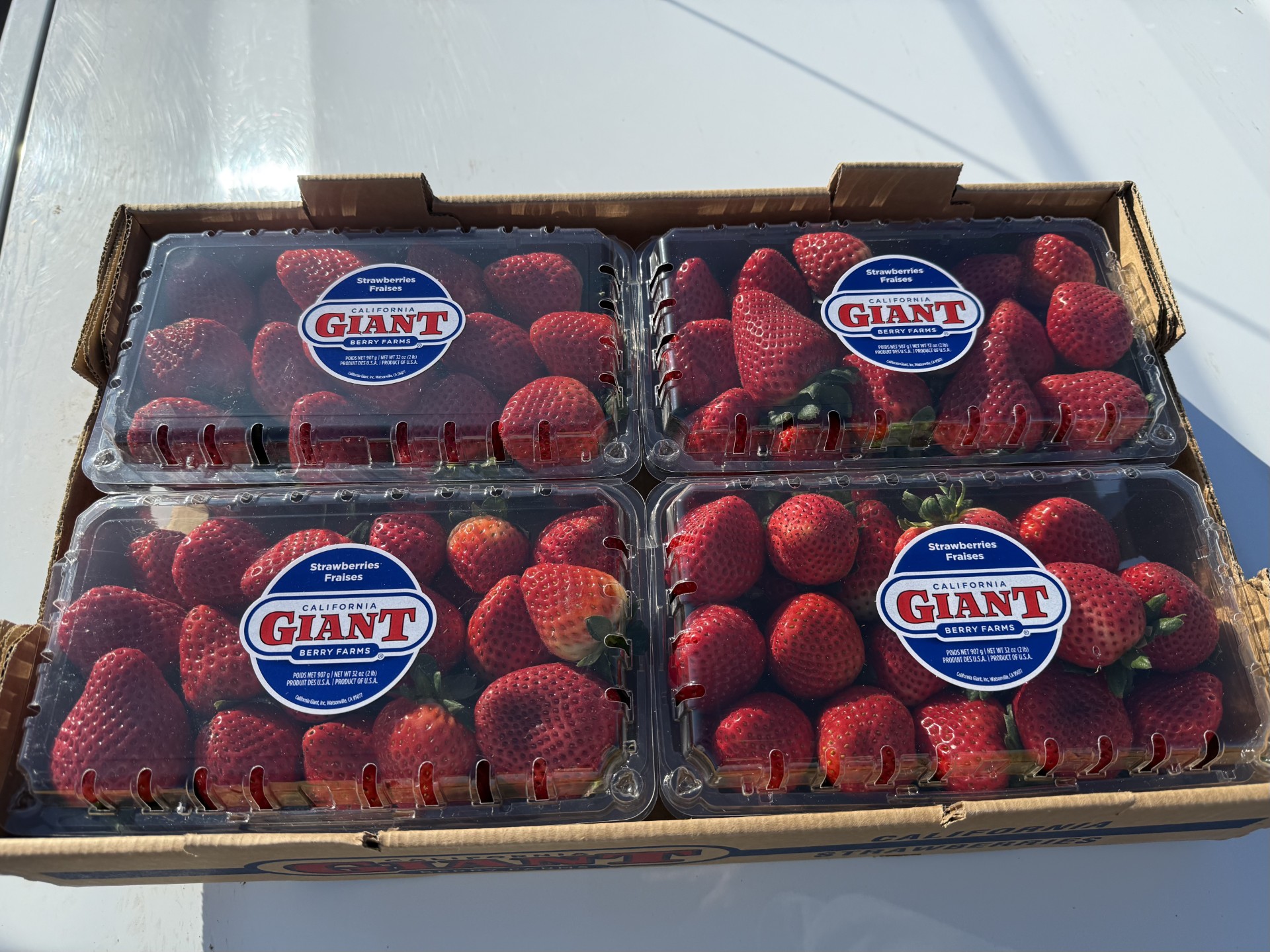
Quality: Conventional and organic spring crop fruit quality remains strong across all ranches. The organic fall crop is producing smaller fruit, with some occurrences of green shoulders and residual pin rot.
Volume: Production is expected to ramp up early in the week due to the heat accumulated over the past several days, with strong volumes anticipated Monday through Wednesday. As temperatures cool and light rain enters the forecast, a decline is expected in the latter half of the week.
Pack Counts: Conventional: 12-16; Organic spring crop: 12-18; Organic fall crop: 22-26.
Mexico
Quality: Across most regions, strawberry quality remains consistent, with no major shifts in condition. The primary issues remain overripe fruit and dry bruising, both of which are being driven by warmer daytime temperatures and uneven labor availability in certain areas.
Volume: Production is steady.
Pack Counts: Conventional: 22-24, 24-28;
Florida
Region Update: Florida has undergone a prolonged and intense series of freeze events. All farms equipped with overhead irrigation have been running water for frost protection for four consecutive nights. Overnight lows have dropped as far as 19°F in certain inland areas, creating severe stress across fields.
Quality: Significant quality pressure is anticipated due to repeated freeze‑protection cycles. Newer varieties continue to hold up better than other genetics under freeze protection. These varieties have shown stronger plant structure and fruit resilience, while other varieties with taller flower stands have suffered more burn and structural damage. This variability will influence quality consistency across ranches over the coming weeks.
Volume: Approximately two thirds of all acreage is underperforming due to the cold, with plants entering a semi dormant state in response to sustained low temperatures. The remaining one third of acreage shows more severe freeze damage, including fruit burn, crown injury, and compromised tissue resulting from incomplete ice coverage during irrigation. An estimated 5–10% of acreage may not produce meaningful volume again until March. Some growers may need to make difficult decisions regarding whether to invest in recovering damaged fields or redirect resources elsewhere. While all ranches remain active in their normal rotation schedules, increased cull levels clearly signal the extent of plant damage.
BLUEBERRIES
Peru/Chile
Peru Region Update: Peru continues to contribute meaningful volume, though production is now entering its natural seasonal decline. The fruit arriving during this late window tends to come from northern production areas, where fields are finishing out the season. Weekly volumes have stepped down as expected, and organic supplies—after seeing a temporary spike—are now falling quickly as certified blocks wind down. The quality of late season arrivals can vary more than early season fruit, requiring closer attention to firmness and condition as transit times and warmer weather.
Chile Region Update: Chile remains a critical supplier in the current window, particularly for organic fruit. Volumes from Chile dipped sharply this past week due to vessel timing and natural production shifts as harvest moves south. Chile’s regional progression means early arrivals carry larger sizing, while mid and late season fruit trends smaller and can be more sensitive, especially in wet conditions.
Oxnard
Region Update: The Oxnard region has adjusted its production forecast slightly downward toward the end of the week. Updated field feedback indicates that one ranch is not producing as much fruit as originally anticipated, prompting a modest reduction in the overall estimate. Field conditions remain favorable, but the flow of ripe fruit is trending lighter than previously projected.
Mexico
Region Update: Weather in the growing regions is currently favorable, with production running smoothly as planned. Pack plans and pack percentages remain consistent with prior weeks, with a continued focus on maximizing jumbo packs over the next four weeks.
RASPBERRIES
Mexico
Quality: Raspberry quality remains strong and stable. Fruit condition is generally good, with the primary defects being minor color issues, including scattered green or slightly overripe berries. Occasional broken fruit is present, but not at levels that materially impact packouts.
Volume: Conventional raspberry production is steady.
BLACKBERRIES
Mexico
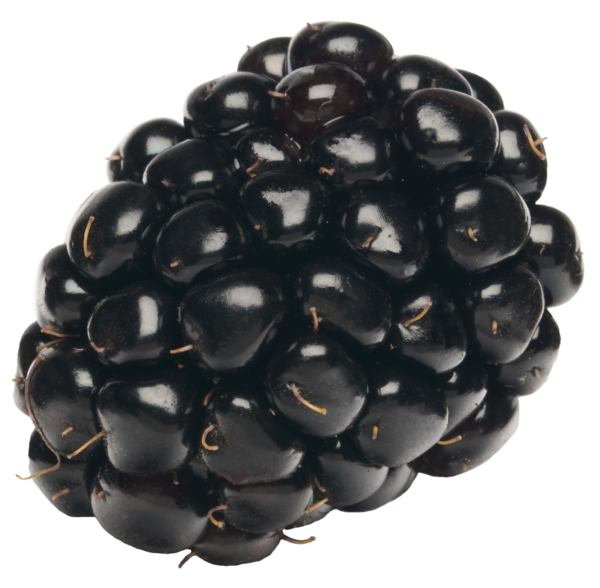
Region Update: Blackberry quality is also holding steady. The main challenge continues to be overripe and soft fruit, which remains the most common defect. Regression levels remain low, and fruit appearance and firmness are generally acceptable. Some growers are experiencing minor delays or quality pressure due to labor shortages as harvest crews are being pulled heavily into peak‑season strawberry fields.
Volume: Conventional blackberry production is steady.
Meet Us On The Road
CPMA
April 28-30
Toronto, Canada
Organic Produce Summit
July 14-16
Monterey, CA
IFPA Foodservice Conference
July 23-24
Monterey, CA
Booth #102
SEPC Southern Innovations
September 9-12
Nashville, TN
IFPA Global Produce & Floral Show
October 14-16
Orlando, FL
New York Produce Show
December 1-3
New York City, NY
Shopper Praise
A berry nice note from a California Giant Berry Farms shopper:
“I just wanted to take a moment to say how much I appreciate the care and quality that goes into every berry you grow. Whether it’s strawberries, blueberries, raspberries, or blackberries, your fruit is always vibrant, flavorful, and fresh—something that really stands out in today’s market. As someone who values clean, wholesome food, your berries have become a regular staple in my kitchen. It’s also inspiring to see your commitment to sustainability and community. From field to table, it’s clear that you prioritize doing things the right way, and it makes a difference. I love supporting companies that care not just about great products, but about the people and planet too.”
Subscribe to The Buzz trade newsletter and receive weekly emails with the latest berry news.