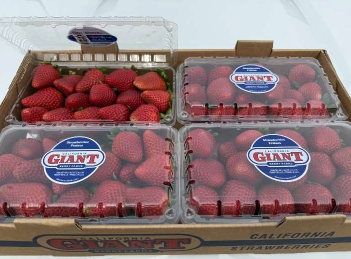
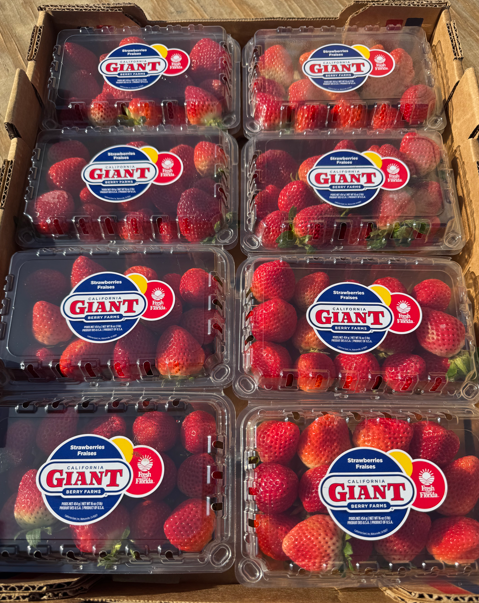
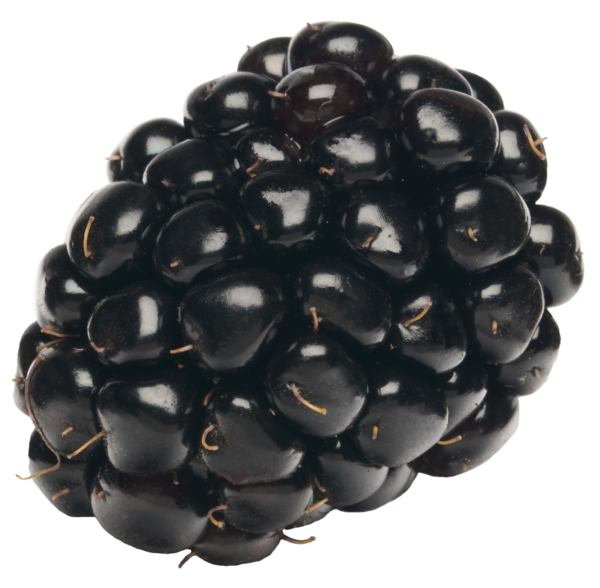
Actualización de la región: Another major weather shift is anticipated beginning Sunday afternoon, when a storm system is forecasted to bring just over 2 inches of rain between Sunday night and Thursday. Earlier projections suggested as much as 3.5 inches over a longer window, but current models have narrowed the total to roughly 2.25 inches over five days. The precise start time continues to fluctuate, but the latest prediction shows rain arriving Sunday evening. In anticipation of the storm, many growers are adjusting their harvest schedules, shifting picks to Saturday and Sunday to pull fruit ahead of the weather. The ability to resume picking late next week will depend heavily on field conditions; if Thursday brings heavy rainfall, the earliest re-entry may be Friday or Saturday, though some blocks may require additional drying time.
Calidad: Conventional and organic spring crop fruit quality remains strong across all ranches. The organic fall crop is producing smaller fruit, with some occurrences of green shoulders and residual pin rot.
Volumen: The upcoming storm introduces substantial uncertainty to next week’s volume outlook. Current estimates suggest that conventional production may range from 50%-80% less than expected, but actual results could be significantly lower depending on storm severity and harvest opportunities. In a worst case scenario—if rains come in heavy and persistent—next week’s output could fall to zero, with crews accessing fields only for juice harvest.
Pack Counts: Conventional: 14-18; Organic spring crop: 14-18; Organic fall crop: 24-28.
México
Calidad: Strawberry quality is showing increasing sensitivity to the warmer weather in the regions currently experiencing upper 80s temperatures. The most prevalent defects include overripe fruit, bruising, green tips, and misshapes. Green and white shoulders continue to be frequently reported, especially in the Maravatío area. This issue is primarily attributed to inconsistent picking discipline rather than weather related factors.
Volumen: La producción es constante.
Pack Counts: Conventional: 18-20, 20-24;
Florida
Actualización de la región: A rain system is expected to arrive late Sunday night, delivering up to 0.5 inches of moisture and clearing by early Monday morning. While this rainfall may influence the fruit slightly at the beginning of the week, it is not expected to halt harvest operations. Crews plan to pick ahead of the system and resume work Monday morning without interruption.
Calidad: Overall field quality remains good, especially considering the freeze stress of recent weeks. Growers responded well to post freeze cleanup, and the current fruit sets have been performing better than initially projected. However, thrip pressure has risen due to warm temperatures, and bronzing has increased in hotspot areas. Cold-related misshape continues to appear, though most of this will be removed as the current hand completes.
Volumen: Production remains above earlier expectations due to rapid ripening and better‑than‑anticipated survival of green fruit following the freeze.
ARÁNDANOS
Peru/Chile
Peru Region Update: Peru continues to contribute meaningful volume, though production is now in its natural seasonal decline. The fruit arriving during this late window tends to come from northern production areas, where fields are finishing out the season. Weekly volumes have stepped down as expected, and organic supplies—after seeing a temporary spike—are now falling quickly as certified blocks wind down. The quality of late season arrivals can vary more than early season fruit, requiring closer attention to firmness and condition as transit times and warmer weather in Peru influence arrival quality. Vessel spacing has caused uneven week to week arrivals, but overall Peru remains a key supplier during the transition period while Mexico ramps up. Peru will continue to taper through February until only small volumes remain.
Chile Region Update: Chile remains a critical supplier in the current window, particularly for organic fruit. Volumes from Chile dipped sharply this week and this past week due to vessel timing and natural production shifts as harvest moves south. Chile’s regional progression means early arrivals carry larger sizing, while mid and late season fruit trends smaller and can be more sensitive, especially in wet conditions. Recent storms traveling across central and southern Chile have negatively affected packouts and shipping timings over the last couple of weeks, as rainfall during harvest has caused growers to divert more fruit than expected to processing. Chile’s shipments are expected to continue, but arrivals may fluctuate depending on weather and vessel schedules.
Oxnard
Actualización de la región: We are expecting next week’s organic blue freshly-packed production to be much more limited due to the incoming storm system next week. Growers will be picking ahead to get fruit off of plants before rain damage sets in, but supply is expected to be limited towards the end of the week.
México
Actualización de la región: Mexico’s blueberry program continues to run as expected, with production tracking close to forecasted levels for the week. Weather across the growing regions—including Jalisco—has been stable overall, with only light rain and warmer temps reported. These showers did not affect harvest operations or crop condition. Field teams report no major disruptions, and all growers remain on schedule.
FRAMBUESAS
México
Calidad: Raspberry quality remains strong overall. Fruit is showing consistent color, size, and flavor, with only minimal defects such as isolated green or overripe berries.
Volumen: Conventional raspberry production is steady.
MORAS
México
Actualización de la región: Blackberry quality is stable, though some early signs of regression are beginning to appear due to rising temperatures. Soft fruit is appearing intermittently but is not widespread, and overall pack appearance remains clean with medium sizing dominant across the board.
Volumen: Conventional blackberry production is steady.
Encuéntrenos en el camino
SEPC Southern Exposure
Feb. 26 – Mar. 1
Orlando, Florida
Booth #728
CPMA
April 28-30
Toronto Canada
Organic Produce Summit
July 14-16
Monterrey, CA
IFPA Foodservice Conference
July 23-24
Monterrey, CA
Booth #102
SEPC Innovaciones del Sur
September 9-12
Nashville, TN
IFPA Global Produce & Floral Show
October 14-16
Orlando, Florida
New York Produce Show
December 1-3
New York City, NY
Elogio del comprador
Una linda nota de bayas de un comprador de California Giant Berry Farms:
“I just wanted to take a moment to say how much I appreciate the care and quality that goes into every berry you grow. Whether it’s strawberries, blueberries, raspberries, or blackberries, your fruit is always vibrant, flavorful, and fresh—something that really stands out in today’s market. As someone who values clean, wholesome food, your berries have become a regular staple in my kitchen. It’s also inspiring to see your commitment to sustainability and community. From field to table, it’s clear that you prioritize doing things the right way, and it makes a difference. I love supporting companies that care not just about great products, but about the people and planet too.”
Suscríbase al boletín comercial The Buzz y reciba correos electrónicos semanales con las últimas noticias sobre bayas.